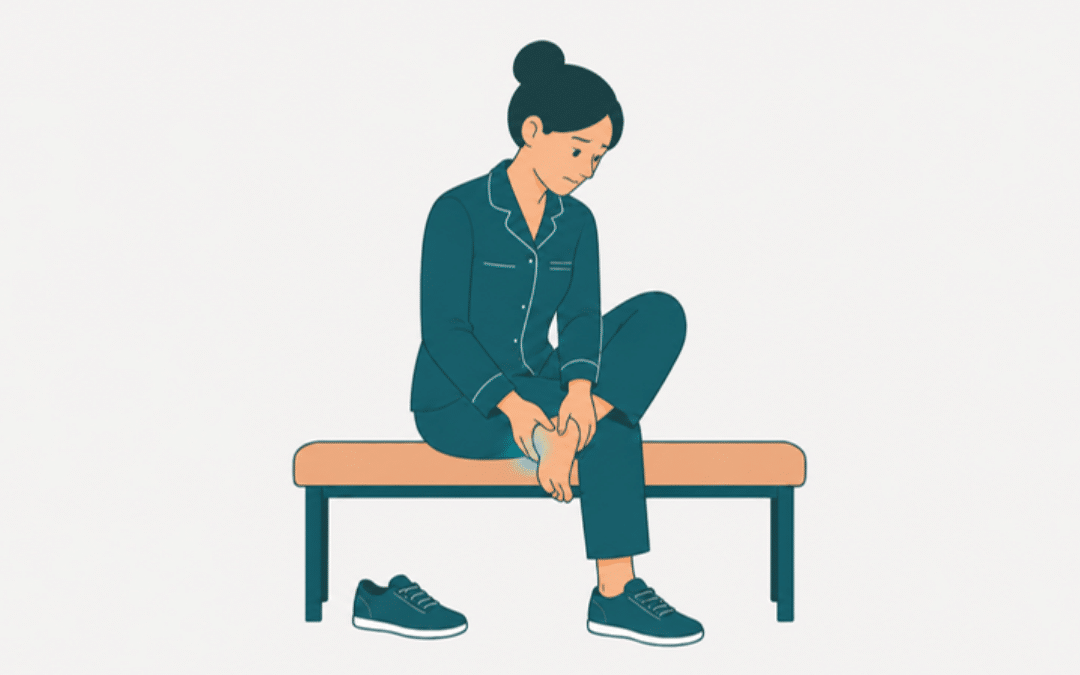
Quick answer: Plantar fasciitis is irritation and overuse damage in the plantar fascia, the thick band of tissue along the bottom of your foot. A heel spur is a small bony growth on the heel bone, right where that band attaches. The two often show up together, but the spur is usually not what hurts. Most people with heel spurs have no heel pain at all, and the pain is generally treated the same way whether a spur is there or not.
“You have a heel spur.”
Few phrases sound worse in a doctor’s office. It conjures up a spike of bone jabbing into your heel with every step, and it is easy to jump straight to thoughts of surgery.
The real picture is less dramatic, and a lot more hopeful. Heel spurs and plantar fasciitis are related, but they are not the same thing. Knowing the difference can save you a good deal of worry, and possibly some money.
What Plantar Fasciitis Is
The plantar fascia is a thick band of tissue that runs from your heel bone to the base of your toes. It helps hold up your arch and absorbs a lot of force every time you take a step.
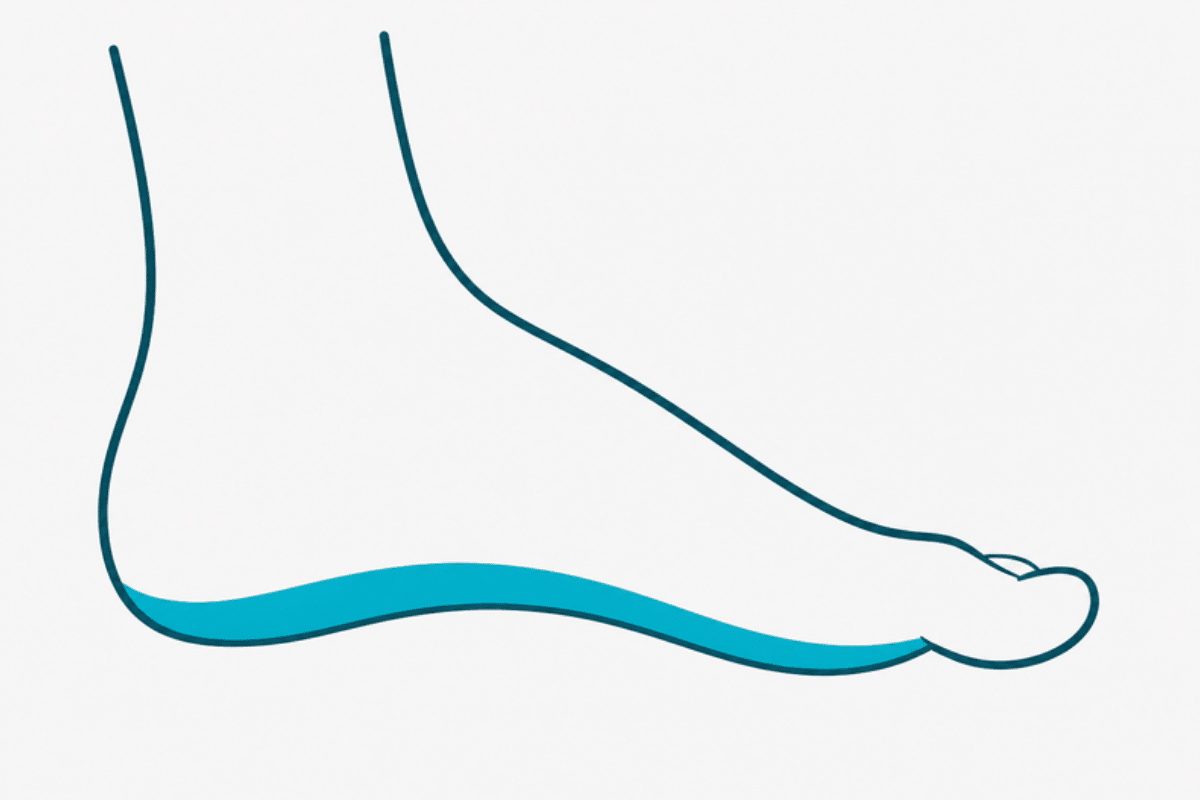
Cleveland Clinic describes plantar fasciitis as overuse damage to that band. It is very common. About 1 in 10 people will develop it at some point in their lives.
The classic symptom is pain on the bottom of the heel that is worst with the first steps after sleep or rest, then eases after a few minutes of walking. We explain why that happens in Why Your First Steps in the Morning Hurt the Most.
What a Heel Spur Is
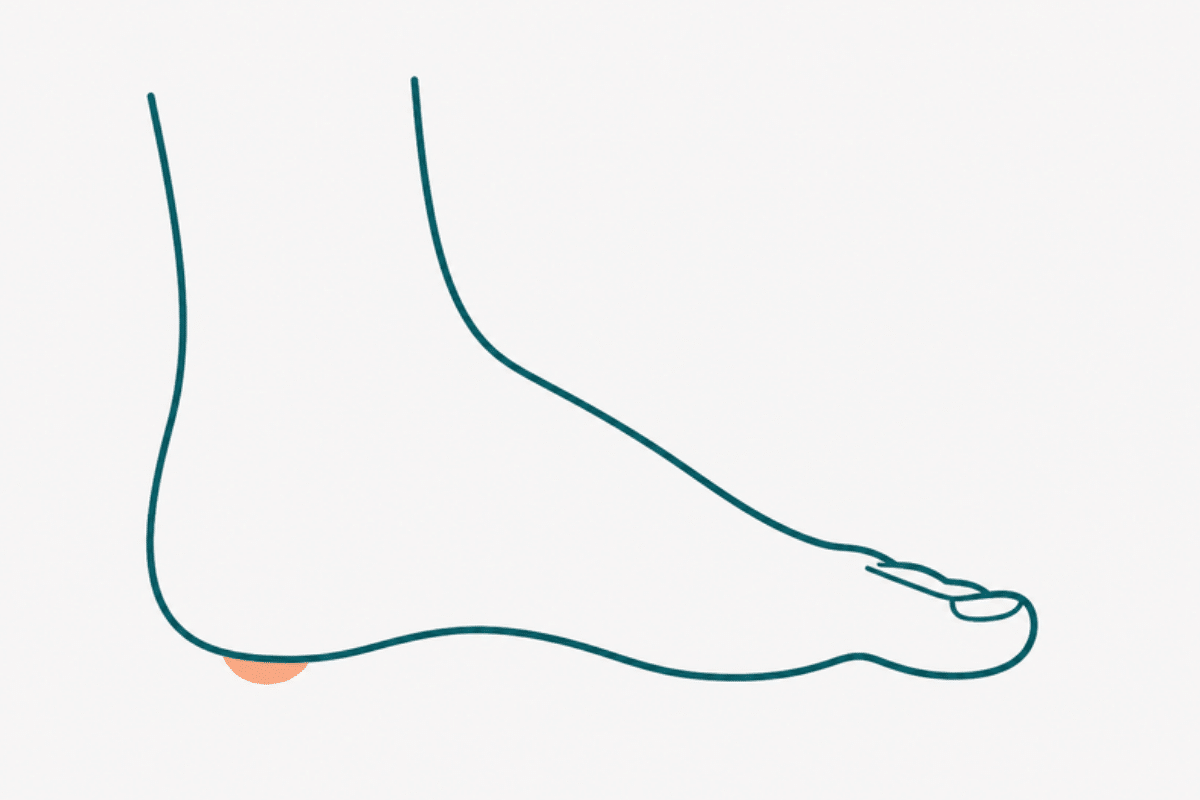
Cleveland Clinic describes a heel spur as a bony growth that pokes out from the bottom of the heel, where the heel bone meets the plantar fascia. It estimates that heel spurs affect about 15% of people.
According to the American Academy of Orthopaedic Surgeons (AAOS), a spur shows up on an X-ray at the spot where the plantar fascia attaches to the heel bone. It is linked to long-standing tension on that attachment.
Here is the part that surprises most people: most people with heel spurs don’t feel any pain from them. Many only find out they have one after they get checked for heel pain and an X-ray turns it up.
How the Two Are Connected
The connection runs mostly one way. Cleveland Clinic explains that a heel spur can develop as the body’s response to the stress and inflammation of plantar fasciitis. Years of pulling on the heel bone can leave a bony ridge behind.
But finding a spur does not tell you much about your pain:
- A review in American Family Physician found heel spurs in roughly 50% of people with plantar fasciitis. It also noted that spurs do not match up well with symptoms, and they show up in people who don’t have plantar fasciitis at all.
- The AAOS states plainly that heel spurs do not cause plantar fasciitis pain, and that the pain can be treated without removing the spur.
Think of a heel spur as a footprint of long-term strain, not the thing doing the stepping on you.
Side by Side
Plantar fasciitis
- What it is: Irritation and overuse damage in a band of soft tissue.
- Where: The bottom of the heel and along the arch.
- Does it hurt? Yes. That is usually why people notice it.
- Telltale sign: Pain with the first steps after sleep or sitting that eases as you move.
Heel spur
- What it is: A small bony growth on the heel bone.
- Where: The bottom of the heel, where the plantar fascia attaches.
- Does it hurt? Usually not. Most people with one have no heel pain.
- How it’s found: On an X-ray.
“My X-Ray Shows a Heel Spur. Now What?”
Take a breath. A spur on an X-ray does not mean you need surgery.
Cleveland Clinic says heel spurs are treated the same way as plantar fasciitis: resting the heel, icing the bottom of the foot, anti-inflammatory medication, and supportive footwear or shoe inserts. Surgery is the only way to remove a spur, but providers rarely do it for that reason alone.
The AAOS adds two encouraging numbers. More than 90% of people with plantar fasciitis improve within 10 months of starting simple treatment. And surgery is generally saved for people who have not improved after 12 months of aggressive nonsurgical treatment.
The simple treatments the AAOS lists include:
- Resting or cutting back on activities that make the pain worse.
- Stretching the calves and the plantar fascia.
- Icing the sore area.
- Supportive shoes, heel pads, or orthotics.
- Night splints.
- Physical therapy.
If you want to start with the free options, our zero-dollar starting plan covers stretching, cold therapy, and using the best shoes you already own. When you are ready to look at support, Why Insoles Matter for Plantar Fasciitis is a good next read.
Other Things That Can Cause Heel Pain
Plantar fasciitis is the most common cause of pain on the bottom of the heel, but it is not the only one. This article cannot tell you what is causing your pain.
The American Family Physician review lists several other possibilities, including:
- A stress fracture of the heel bone. This often starts after a jump in activity or a switch to harder surfaces, and it can begin to hurt even at rest.
- Nerve problems, such as tarsal tunnel syndrome. These tend to cause burning, tingling, shooting pain, or numbness.
- Heel pad problems, where the cushioning fat under the heel is the source of pain.
- Achilles tendon problems at the back of the heel.
The NHS suggests seeing a doctor if your foot pain hasn’t improved after 2 weeks of treating it yourself, if the pain is severe or getting worse, if you have tingling or loss of feeling in your foot, or if you have diabetes and foot pain.
The Bottom Line
Plantar fasciitis and heel spurs often travel together, but they are not the same problem.
- Plantar fasciitis is irritated soft tissue, and it is usually the source of the pain.
- A heel spur is a bony growth that often causes no pain at all.
- A spur on an X-ray doesn’t mean you need surgery.
- Both are usually treated the same way, with simple, consistent care.
- Unusual symptoms like numbness, tingling, or pain at rest deserve a professional look.
The spur may be on the X-ray, but the plantar fascia is usually the one doing the complaining.
Keep reading
- Why Your First Steps in the Morning Hurt the Most
- Free Plantar Fasciitis Help Starts With Stretches, a Towel, and…Frozen Peas?
- Best Way to Relieve Plantar Fasciitis Pain
- Why Insoles Matter for Plantar Fasciitis
Sources
- American Academy of Orthopaedic Surgeons: Plantar Fasciitis and Bone Spurs
- Cleveland Clinic: Heel Spurs
- Cleveland Clinic: Plantar Fasciitis
- American Family Physician: Heel Pain: Diagnosis and Management
- NHS: Plantar Fasciitis
Medical-Information Disclaimer
We are not medical professionals. This article shares general educational information and personal experience. It cannot diagnose the cause of foot pain, replace an examination, or determine which exercises are safe for a particular person. Stop any activity that causes sharp pain or a marked worsening of symptoms. Persistent, severe, unusual, or worsening foot pain deserves evaluation by a qualified healthcare professional.